Heating Efficiency in Flux Ovens A Closer Look
Understanding Flux Ovens and Their Importance in Welding
What is a Flux Oven?
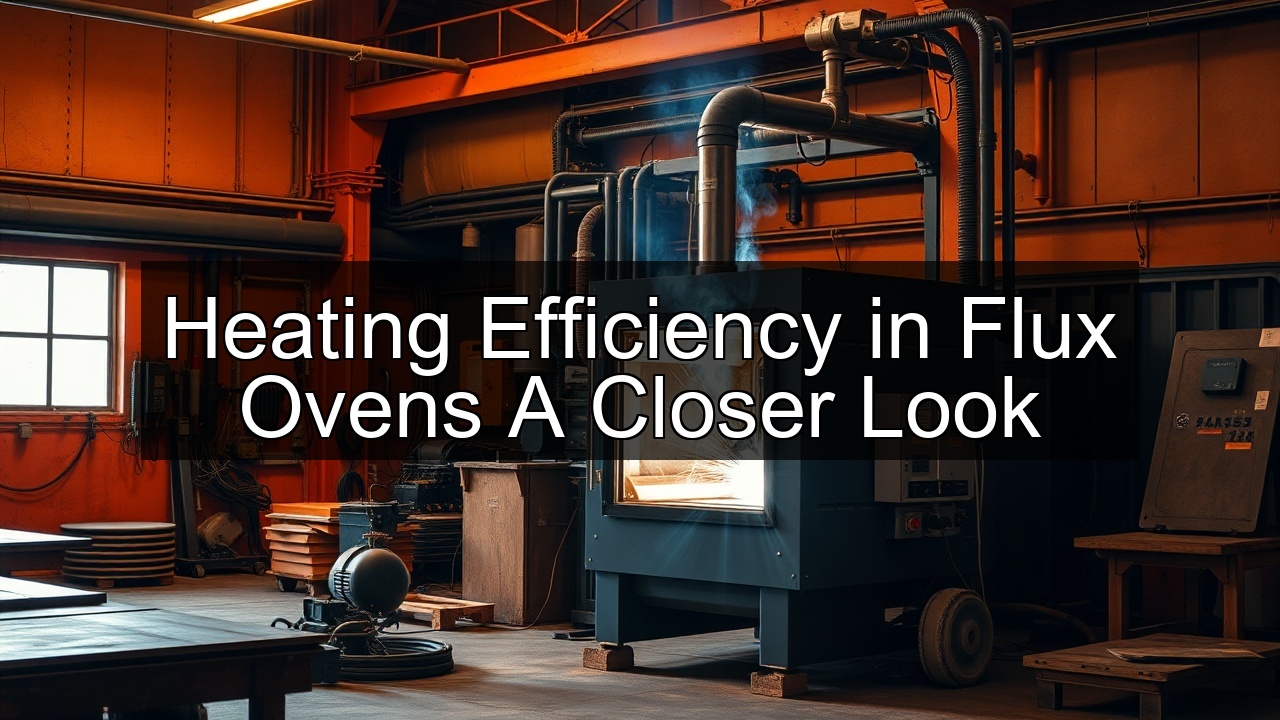
A flux oven serves as a critical component in the welding process, particularly in submerged arc welding and flux-cored arc welding. These ovens provide a controlled environment for heating welding flux, ensuring that it maintains optimal properties for effective welding. Typically constructed from robust materials, flux ovens can withstand high temperatures while offering the necessary insulation to preserve the heat. The temperature in these ovens usually reaches around 550°F, a requirement for activating the flux's chemical properties. By preheating the flux, welders achieve superior weld quality and enhance the overall performance of the welding process.
The Role of Flux in Welding
Flux plays an essential role in the welding process. It acts welding flux oven as a protective barrier against atmospheric contaminants, ensuring that the molten metal does not oxidize during welding. This characteristic is crucial for achieving strong, clean welds. Additionally, flux aids in the fluidity of the weld pool, allowing for better penetration and fusion between metals. By utilizing a flux oven, welders can ensure that the flux remains dry and free from moisture, which is vital for maintaining its effectiveness. Properly heated flux enhances the welding arc stability, reduces spatter, and helps in achieving a more aesthetically pleasing finish.
Common Applications of Flux Ovens
Flux ovens find widespread use across various industries. In construction and manufacturing, where heavy-duty welding is common, these ovens help in preparing the flux required for robust welds. The automotive industry also benefits from flux ovens, as they ensure high-quality welds in vehicle assembly lines. Additionally, shipbuilding and pipeline construction rely heavily on the efficiency of flux ovens to maintain the integrity of welds under harsh conditions. Such ovens enhance productivity by reducing the time needed to prepare welding materials, thus optimizing workflow and minimizing downtime.
Factors Influencing Heating Efficiency in Flux Ovens
Temperature Control and Its Importance
Effective temperature control is paramount for achieving heating efficiency in flux ovens. Maintaining the right temperature ensures that the flux activates properly, allowing for optimal welding conditions. Temperature fluctuations can lead to inconsistent flux properties, which may compromise the quality of the weld. Many modern flux ovens incorporate advanced temperature control systems, enabling welders to set precise heating requirements. This automation not only enhances user convenience but also minimizes the risk of human error. Consistent temperature management leads to improved weld integrity and reduces the chances of defects in the final product, making it a critical consideration in any welding operation.
Power Consumption: Watts and Efficiency
Power consumption is another factor that directly impacts the heating efficiency of flux ovens. Measured in watts, the energy consumption of an oven can vary significantly based on its design and technology. High-efficiency ovens utilize advanced heating elements that provide quicker heating times while consuming less power. This efficiency translates to cost savings on energy bills and reduces the environmental footprint of the welding operation. When selecting a flux oven, consider the wattage and efficiency ratings, as they play a crucial role in operational costs and overall performance. Investing in a quality oven can lead welding flux oven to substantial savings over time while ensuring optimal heating conditions for flux.
Weight Considerations: 100 lb vs. 200 lb Ovens
Weight plays a significant role in the usability and portability of flux ovens. Generally, flux ovens come in various sizes, with 100 lb and 200 lb models being common choices. A 100 lb flux oven is more portable, allowing for easy transport between job sites. This flexibility is particularly beneficial for welding operations that require mobility. On the other hand, a 200 lb oven typically offers greater capacity and may have additional features that enhance heating efficiency and temperature control. Choosing between these options often depends on the specific needs of the welding operation, including the scale of projects and the necessary heating capabilities.
Automation and Innovations in Flux Oven Technology
Leading Brands and Manufacturers
Numerous manufacturers lead the market in flux oven technology, each offering unique features to enhance welding efficiency. Brands such as Gullco focus on providing innovative solutions that integrate automation into the welding process. These manufacturers continually invest in research and development to produce ovens that not only meet current industry standards but also anticipate future needs. Their commitment to quality and performance helps welders achieve consistent results, making them trusted names in the industry. When selecting a flux oven, consider the reputation of the manufacturer and the availability of customer support to ensure a seamless experience.
Gullco and Other Key Players in the Market
Gullco stands out among the leading manufacturers of flux ovens, known for their high-quality products and innovative approach to welding technology. They offer a range of ovens designed to cater to different welding applications, ensuring that users find an optimal fit for their needs. Other notable players include companies specializing in automation technologies that enhance the efficiency of welding operations. These brands focus on integrating feedback mechanisms, which allow for real-time adjustments to heating processes. Such innovations empower welders to maintain consistent performance levels, leading to improved productivity and product quality.
Feedback Mechanisms for Improved Performance
Modern flux ovens often incorporate feedback mechanisms that monitor heating performance and adjust settings automatically. These systems ensure that the oven maintains its temperature within the desired range, allowing for consistent flux heating. This automation minimizes the risk of overheating or underheating, which can adversely affect weld quality. By providing real-time data, feedback mechanisms enable welders to make informed decisions during operations. Such technological advancements not only enhance the efficiency of the welding process but also contribute to a safer working environment by reducing the likelihood of equipment failure.
Optimizing Your Flux Oven for Better Results
Best Practices for Flux Heating
To achieve the best results from a flux oven, implement best practices for flux heating. Start by ensuring that the oven is preheated before loading the flux. This step prevents moisture absorption and helps maintain the flux's properties. Regularly check the temperature settings and make adjustments as needed. Utilize a cart for easy loading and unloading of flux boxes, ensuring that all equipment remains organized. Additionally, monitor the condition of the flux throughout the welding process. Discard any flux that shows signs of contamination or degradation, as this can compromise weld quality. Following these practices enhances the efficiency of the welding process and prolongs the lifespan of the oven.
Maintenance Tips for Long-lasting Performance
Regular maintenance is critical for ensuring the long-lasting performance of your flux oven. Start by cleaning the interior and exterior surfaces to remove any residue or contaminants. Inspect the heating elements and electrical components for signs of wear or damage. Schedule routine inspections to identify potential issues before they escalate. Additionally, keep the oven's user manual handy for specific maintenance guidelines provided by the manufacturer. Proper maintenance not only extends the life of the oven but also ensures that it operates at peak efficiency, providing consistent results in your welding projects.
Integrating Welding Machines and Ovens for Seamless Workflow
Integrating flux ovens with welding machines creates a seamless workflow that enhances productivity. By coordinating the operation of both systems, welders can optimize their processes and reduce downtime. Ensure that the welding machine is compatible with the flux used in the oven for optimal results. Consider using automation tools that synchronize the heating of flux with welding schedules, allowing for uninterrupted operations. This integration improves efficiency and contributes to better overall weld quality. As industries continue to evolve, the demand for such integrated solutions will only increase, making it essential for welders to stay informed about the latest technologies and best practices.