Exploring the Role of Stearns in Modern Electric Motor Braking Systems
Understanding Electric Motor Braking Systems
Overview of Electric Motor Braking
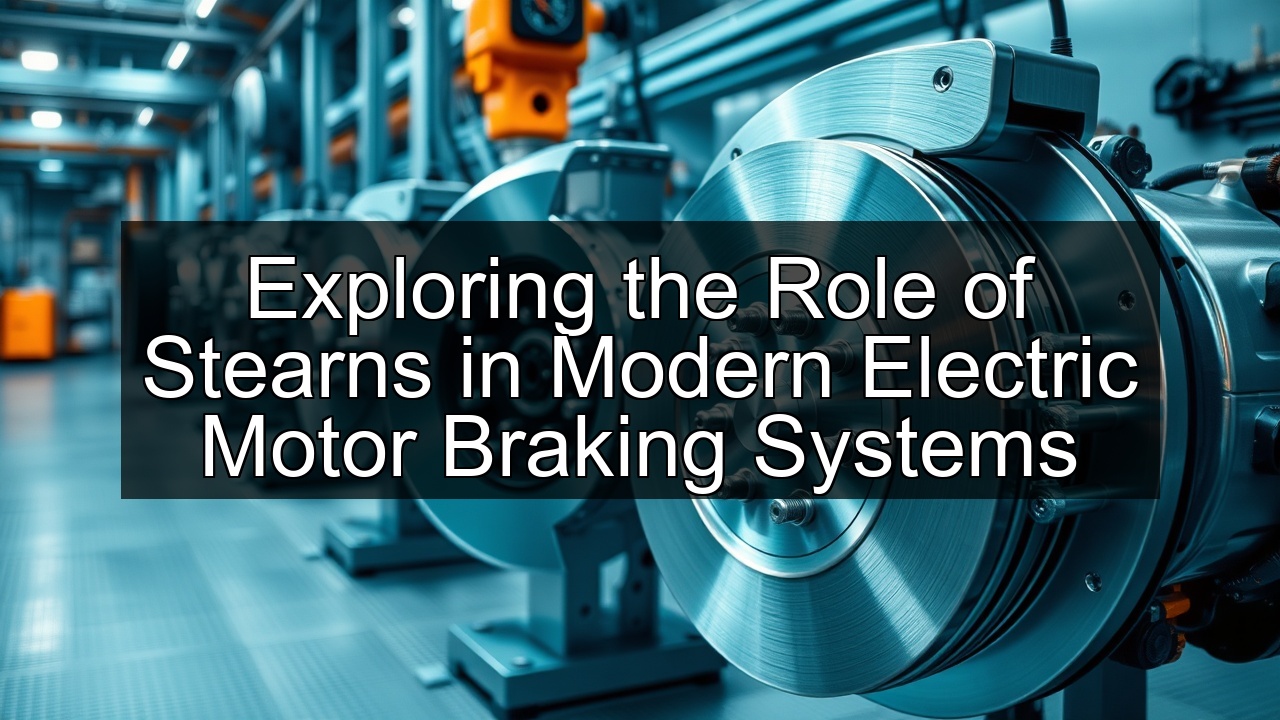
Electric motor braking systems stop or slow down motors efficiently by converting kinetic energy into heat or electrical energy. These systems rely on friction, electromagnetic forces, or regenerative methods to achieve precise control. In modern applications, brakes integrate seamlessly with electric motors to prevent overspeeding and ensure safe operation. Manufacturers like Stearns design these brakes to handle high torque and frequent cycles, making them essential for industrial machinery. Electric motor braking enhances energy efficiency, reduces wear on components, and complies with standards such as IEC and NEMA. Without reliable braking, motors in conveyor systems or elevators could lead to hazardous situations. Engineers prioritize brakes that offer quick response times and minimal maintenance. Stearns brake products stand out for their durability in demanding environments, incorporating advanced friction materials and armature designs. As industries shift toward automation, understanding these systems becomes crucial for selecting the right brake components from trusted distributors.
Importance of Brakes in Various Applications
Brakes play a pivotal role in safeguarding operations across industries, from manufacturing to transportation. In conveyor belts, they halt loads instantly to avoid collisions, while in cranes, they support heavy lifting without slippage. Electric motor brakes prevent runaway conditions in variable frequency drive (VFD) setups, ensuring worker safety and equipment longevity. Applications in marine environments demand corrosion-resistant brakes to withstand harsh conditions, and servo motor systems require precise braking for accurate positioning. Stearns braking solutions address these needs with robust designs that meet AAB and IEC specifications. Without effective brakes, downtime increases due to mechanical failures, and compliance with safety regulations falters. In automotive sectors, like those served by Stearns automotive distributors, brakes enhance vehicle control. Overall, investing in quality brake systems reduces operational costs and boosts reliability, making them indispensable for engineers focused on performance and safety.
Types of Electric Brakes: AC vs. DC
Electric brakes divide into AC and DC types, each suited to specific motor configurations. AC brakes energize through alternating current, ideal for three-phase systems where they provide smooth deceleration via electromagnetic friction. DC brakes, powered by direct current, excel in single-phase applications, offering instant stopping power through solenoid activation. Stearns manufactures both, with AC models handling higher voltages like 230V and DC variants for precise control in servo motors. AC brakes often feature disc designs for better heat dissipation, while DC brakes use armature hubs for compact integration. Choosing between them depends on the motor's power supply and duty cycle—AC for continuous operation, DC for intermittent high-torque demands. In marine setups, AC brakes resist moisture better, aligning with NEMA standards. Engineers consult Stearns brake distributors to match these types to applications, ensuring optimal performance and safety in gear-driven systems.
The Role of Stearns in Braking Solutions
Stearns Brake Products Overview
Stearns, a leading manufacturer of industrial brakes and clutches, delivers comprehensive braking solutions for electric motors. Their product line includes disc brakes, electromagnetic clutches, and combination units that integrate seamlessly with AC and DC motors. Stearns brake products emphasize reliability, featuring signature series for high-performance needs and standard models for general use. As a key player, Stearns supports lean manufacturing practices, producing components like coils and armatures with precision engineering. Customers access these through authorized Stearns brake distributors, who provide brake parts, accessories, and full systems. From friction-based disc brakes to solenoid-operated units, Stearns covers diverse needs in servo motor and marine applications. Their commitment to quality ensures compliance with IEC and NEMA standards, making them a go-to for brake solutions Stearns enthusiasts seek. Exploring Stearns brake equipment reveals innovations that enhance torque control and energy efficiency across industries.
Key Features of Stearns Brakes and Clutches
Stearns brakes and clutches boast advanced features that set them apart in the market. High-friction linings deliver superior torque capacity, while adjustable air gaps allow for customized performance in variable environments. Their electromagnetic designs use efficient coils to minimize power consumption, and signature couplers enable quick motor integration. Stearns incorporates safety switches and relays for overload protection, ensuring brakes engage reliably even in three-phase or single-phase setups. Durability shines in marine applications, where corrosion-resistant materials withstand saltwater exposure. For servo motors, low-inertia armatures provide rapid response times, critical for precision tasks. These features align with modern demands for VFD compatibility and lean manufacturing efficiency. Customers praise the ease of installation and minimal maintenance, often sourcing parts from Stearns brake suppliers. Overall, Stearns' engineering focuses on robustness, making their products ideal for demanding brake systems Stearns users rely on daily.
Applications in Marine and Servo Motor Systems
Stearns brakes excel in marine and servo motor systems, where precision and resilience matter most. In marine environments, their disc brakes handle winches and propulsion systems, resisting harsh conditions with sealed solenoids and friction materials. These applications demand brakes that comply with IEC standards for vibration and moisture, and Stearns delivers with NEMA-rated enclosures. For servo motors in robotics and CNC machines, Stearns clutches provide zero-backlash engagement, ensuring accurate positioning during high-speed operations. Torque transmission remains consistent across duty cycles, supported by variable frequency drives. Engineers integrate Stearns components into gear assemblies for enhanced control, reducing wear in continuous-use scenarios. Marine distributors often stock Stearns brake accessories for quick repairs, while servo applications benefit from compact couplers. This versatility positions Stearns as a top choice for specialized braking, addressing needs from offshore rigs to automated factories with proven reliability.
Components of Stearns Brake Systems
Brake Calipers and Their Function
Brake calipers in Stearns systems clamp down on rotors to generate stopping force through hydraulic or electromagnetic action. These components house pistons and friction pads, ensuring even pressure distribution for reliable braking in electric motors. Stearns designs calipers with durable housings that withstand high temperatures, ideal for AC and DC applications. In disc brakes, calipers integrate with armatures to create precise friction, preventing slippage in torque-heavy loads. Maintenance involves inspecting pads for wear, a task simplified by Stearns' modular builds. For marine use, corrosion-proof calipers maintain performance in wet conditions, aligning with safety standards. Engineers value their role in servo motor setups, where quick actuation supports dynamic control. Sourcing calipers from a Stearns brake distributor guarantees compatibility with existing systems, enhancing overall brake repair and service efficiency. These parts form the backbone of effective braking, delivering consistent results across industries.
The Importance of Coils and Solenoids
Coils and solenoids drive the electromagnetic heart of Stearns brake systems, converting electrical energy into mechanical force. Coils generate magnetic fields that engage the armature, while solenoids provide rapid linear motion for clutch activation. In Stearns products, these components use high-quality windings to handle 230V or three-phase voltages without overheating. Their efficiency reduces energy draw in VFD-integrated motors, promoting lean manufacturing. Solenoids in disc brakes ensure fail-safe engagement, crucial for safety in servo and marine applications. Regular checks prevent coil failures that could lead to braking delays. Stearns engineers these for longevity, incorporating thermal protection to extend duty cycles. Customers often inquire about replacements through distributors, who supply genuine parts for seamless repairs. Understanding coils and solenoids unlocks better system performance, making them indispensable for reliable electric motor braking.
How Relays and Circuit Breakers Enhance Safety
Relays and circuit breakers in Stearns brake systems safeguard against electrical faults, preventing catastrophic failures. Relays switch circuits automatically to engage brakes during power loss, ensuring motors stop safely. Circuit breakers interrupt excessive current, protecting coils and solenoids from damage in single-phase or three-phase setups. Stearns integrates these with switches for overload detection, complying with NEMA and IEC norms. In marine environments, waterproof relays maintain functionality amid vibrations. For servo motors, fast-acting relays support precise emergency stops, minimizing risks in automated lines. These components enhance brake service by alerting to issues early, reducing downtime. Distributors provide Stearns brake supplies including relays for upgrades, boosting system resilience. By prioritizing safety, relays and circuit breakers make Stearns solutions trusted for high-stakes applications like gear-driven machinery.
Specifications and Performance Metrics
Understanding Duty Cycles in Electric Motors
Duty cycles define how long electric motors and their brakes operate without overheating, categorized as continuous, intermittent, or short-time. Stearns brakes rate for specific cycles, ensuring torque delivery matches application demands. In VFD systems, understanding duty cycles prevents premature wear on friction components. For instance, marine winches require intermittent cycles with high peak torque, while servo motors need continuous low-inertia braking. Stearns specifications detail these metrics, aiding engineers in selecting per IEC standards. Lean manufacturing benefits from optimized cycles that extend component life. Customers consult distributors for data on single-phase versus three-phase compatibility. Properly managed duty cycles enhance energy efficiency and safety, making them a core metric for brake performance evaluation.
Torque Requirements for Different Applications
Torque requirements vary by application, with Stearns brakes engineered to deliver precise levels from 10 Nm to over 1000 Nm. In conveyor systems, high static torque holds loads steady, while dynamic torque slows them smoothly. Servo motor applications demand variable torque for positioning, supported by Stearns clutches. Marine setups require corrosion-resistant brakes with elevated torque to counter waves. Engineers calculate needs based on load inertia and speed, referencing NEMA frames. Stearns provides detailed specs for AC and DC models, ensuring compatibility with gear reducers. Distributors assist in matching torque to voltage, optimizing performance. Addressing torque correctly minimizes slippage and extends system life across industrial uses.
Voltage Considerations: 230V vs. 3-Phase Systems
Voltage choices impact brake selection, with 230V single-phase systems suiting smaller motors and 3-phase offering robust power for industrial scales. Stearns brakes adapt to both, with coils rated for stable operation in VFD environments. 230V units provide cost-effective braking for light-duty servo applications, while 3-phase handles heavy marine loads with better heat dissipation. Considerations include wiring compatibility and relay integration to avoid voltage drops. IEC standards guide safe implementation, and Stearns' designs minimize electromagnetic interference. For upgrades, distributors supply voltage-specific parts, enhancing brake repair. Balancing these ensures efficient, safe performance in diverse electric motor setups.
Customer Support and Resources
Frequently Asked Questions about Stearns Products
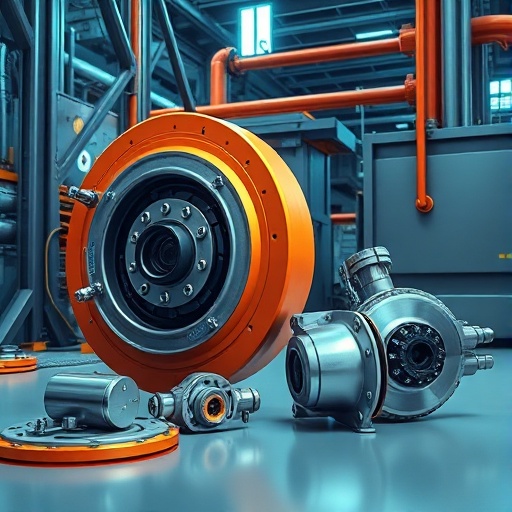
Frequently asked questions about Stearns products cover installation, maintenance, and compatibility. Users often inquire how to integrate brakes with VFDs or select torque ratings for marine use. Stearns resources explain coil replacements and solenoid troubleshooting, providing diagrams for disc brake assembly. Common queries address NEMA frame matching and IEC compliance for global applications. For servo motors, FAQs detail armature adjustments to optimize friction. Distributors host these resources, answering on warranty and parts availability. Brake service tips include checking relays for 230V systems. These FAQs empower customers, reducing reliance on extensive support while promoting self-service for routine issues.
Customer Satisfaction and Feedback
Customer satisfaction with Stearns products runs high, thanks to durable designs and responsive service. Feedback highlights quick brake engagement in servo systems and reliability in marine conditions. Users appreciate lean manufacturing's impact on consistent quality, with minimal defects reported. Satisfaction surveys praise distributor networks for fast parts delivery, enhancing brake repair experiences. Common praises include torque accuracy and easy integration with clutches. Areas for improvement, like expanded voltage options, receive attention from manufacturers. Overall, positive feedback reinforces Stearns' reputation, with many citing reduced downtime and cost savings. Engaging with customer input drives ongoing innovations in braking solutions.
Finding a Reliable Stearns Brake Distributor
Finding a reliable Stearns brake distributor ensures access to authentic parts and expert advice. Look for authorized partners offering full inventories of brakes, clutches, and accessories like coils and relays. Distributors specializing in Stearns brake solutions provide installation guides and repair services for marine and servo applications. Check for those handling 3-phase systems and VFD compatibility, with strong customer support. Online directories list regional options, including Stearns automotive distributors for related needs. Verify certifications for IEC and NEMA compliance to guarantee quality. A good distributor facilitates brake parts distribution, from calipers to circuit breakers, streamlining procurement. Prioritizing established ones like those in Stearns county networks yields efficient sourcing and long-term partnerships for all braking requirements.