Exploring the Aesthetic and Functional Advantages of Electropolished Stainless Steel
Understanding Electropolishing: A Gateway to Stainless Steel Excellence
What is Electropolishing?
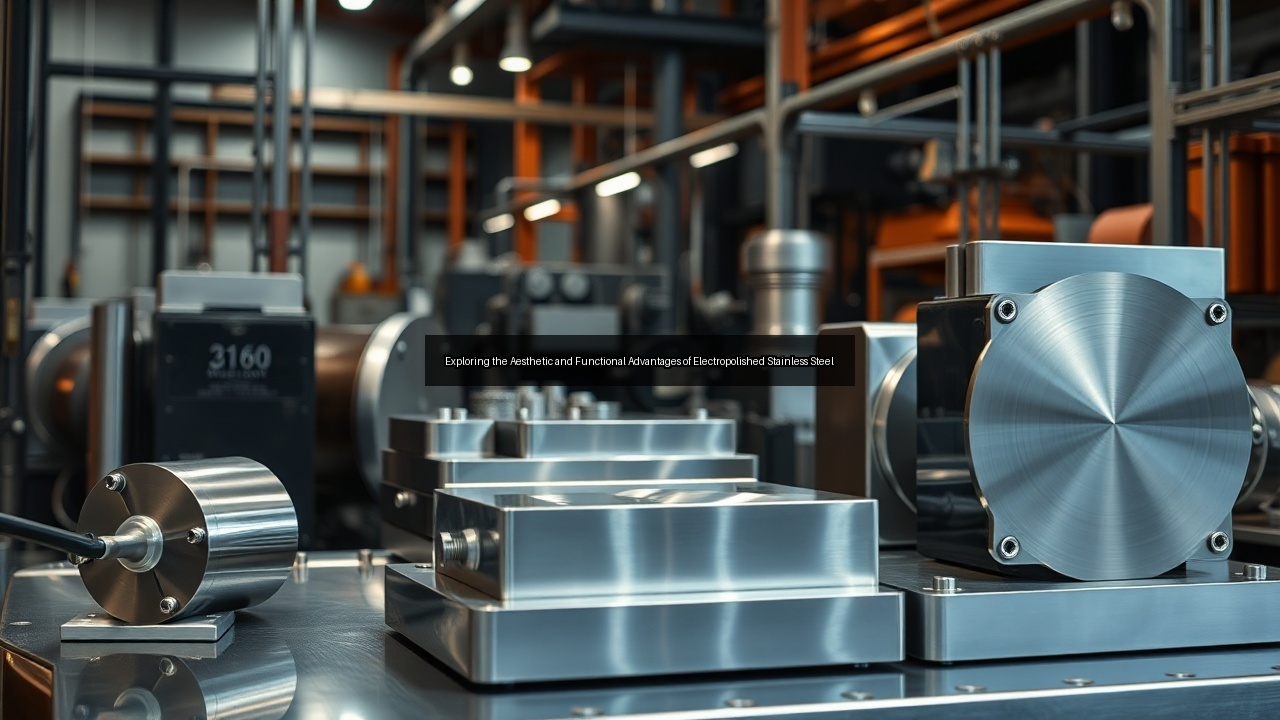
Electropolishing removes a thin layer of metal from stainless steel surfaces through an electrochemical process. Manufacturers immerse parts in an electrolyte bath and apply current to dissolve microscopic peaks, leaving a smooth, uniform finish. This technique differs from mechanical polishing because it works without abrasives. Electropolishing stainless steel services deliver consistent results on complex geometries where traditional methods fall short. Companies in medical, pharmaceutical, and food processing sectors rely on it to meet strict surface requirements. The process also prepares metals for further treatments like passivation. Engineers specify electropolish on drawings when they need both aesthetic improvement and functional gains in one step.
The Science Behind Electropolishing
The science centers on anodic dissolution. Stainless steel acts as the anode in an acidic electrolyte containing sulfuric and phosphoric acids. Oxygen evolves at the surface while metal ions migrate into the solution. High current density at peaks accelerates material removal there, flattening the profile. This levels microscopic irregularities without introducing new stresses. Heat treating before electropolishing stabilizes the microstructure in grades like 316L, ensuring even dissolution. The resulting surface finish reduces sites where contaminants can lodge. Process parameters such as voltage, temperature, and time control the final roughness value, often achieving Ra values below 0.2 micrometers. Proper control prevents pitting or etching that could compromise corrosion resistance.
Common Applications of Electropolished Stainless Steel
Electropolished stainless steel appears in surgical instruments, bioreactor vessels, semiconductor tubing, and architectural railings. In pharmaceutical plants, electropolishing stainless steel services create surfaces that resist bacterial adhesion and allow thorough cleaning. Semiconductor manufacturers use electropolished 316L tubing to transport ultra-pure gases without particle generation. Food equipment benefits from the bright finish that signals cleanliness to inspectors. Automotive exhaust components and marine hardware also receive electropolish treatments to extend service life in harsh environments. Each application takes advantage of the dual improvement in appearance and performance that only electropolishing provides.
Aesthetic Benefits of Electropolished Stainless Steel
Achieving a Mirror-Like Surface Finish
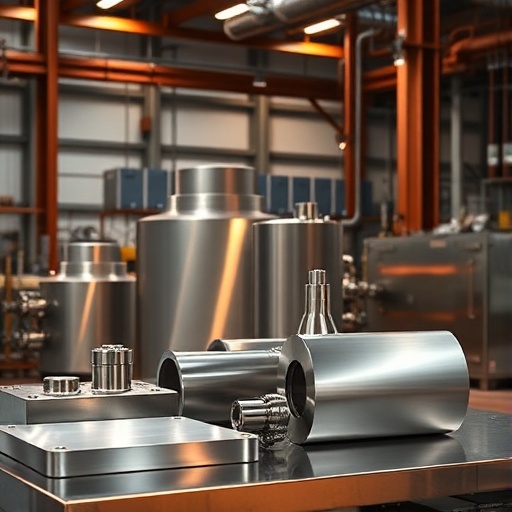
Electropolishing produces a mirror-like surface finish by eliminating tool marks and grain boundaries visible after machining or grinding. Light reflects uniformly across the leveled surface, creating a bright, reflective appearance that mechanical polishing rarely matches on complex shapes. Stainless steel products treated this way maintain their luster longer because the process removes embedded abrasives that could later cause rust spots. Fabricators order electropolishing stainless steel services when clients demand showroom quality on visible components such as elevator panels or laboratory furniture. The finish also highlights the natural metallic color without adding coatings that might peel or discolor over time.
Enhancing Visual Appeal in Stainless Steel Products
Stainless steel products gain immediate visual impact after electropolishing. The uniform brightness draws attention to clean lines and precise welds in architectural and consumer goods. Manufacturers of high-end kitchen appliances and medical furniture choose electropolished surfaces to differentiate their offerings from competitors using satin finishes. The process accentuates laser-cut patterns and engraved details without distorting them. Retail displays and lighting fixtures benefit from the reflective quality that amplifies ambient light. Consistent appearance across batches helps brands maintain quality perception. Electropolishing stainless steel services therefore serve both marketing and engineering goals in a single operation.
Color and Design Flexibility
Although electropolishing itself does not add color, it creates an ideal base for subsequent coloring or coating processes. The smooth surface accepts thin films or anodizing layers evenly, allowing designers to achieve bronze, gold, or blue tones on stainless steels. Post-electropolish passivation preserves the bright finish while adding protection. Architects combine electropolished panels with colored accents to create striking facades. Product designers specify different surface finish levels on the same part to produce contrasting zones. This flexibility expands creative options without sacrificing the inherent corrosion resistance of the base metal.
Functional Advantages: Why Choose Electropolished Stainless Steel?
Improved Corrosion Resistance
Electropolishing improves corrosion resistance by removing surface contaminants and embedded iron particles that initiate rust. The process enriches the chromium content at the surface, strengthening the passive oxide layer. Stainless steel parts exposed to chlorides or acids last longer after treatment. Marine hardware and chemical processing equipment demonstrate measurable reductions in pitting after electropolish. Manufacturers document extended maintenance intervals for electropolished 316L vessels compared with mechanically polished counterparts. The enhanced corrosion resistance also reduces the risk of metallic ion release in high-purity applications.
Enhanced Cleanability for Hygiene Standards
Smooth electropolished surfaces reduce crevices where biofilms can form. Cleaning agents flow freely across the finish, shortening wash-down times in food and pharmaceutical facilities. Validation studies show lower residual protein and bacterial counts on electropolished stainless steel versus mill-finished material. Electropolishing stainless steel services help facilities meet FDA and EU hygiene regulations with less aggressive cleaning chemicals. The bright surface also makes incomplete cleaning immediately visible during inspections. This combination of cleanability and visibility supports rigorous sanitation protocols demanded by regulated industries.
Impact on Durability and Longevity
Electropolishing removes work-hardened layers and micro-cracks that serve as fatigue initiation points. Components experience less stress concentration, extending service life under cyclic loading. Heat treating followed by electropolish further optimizes fatigue performance in critical engineering parts. Stainless steel products in high-wear environments, such as conveyor guides and pump impellers, show reduced erosion after treatment. The improved durability translates directly into lower replacement costs and fewer production interruptions. Manufacturers therefore view electropolishing as an investment that protects both equipment and schedules.
Electropolishing Processes and Considerations
The Role of Heat Treating in Electropolishing
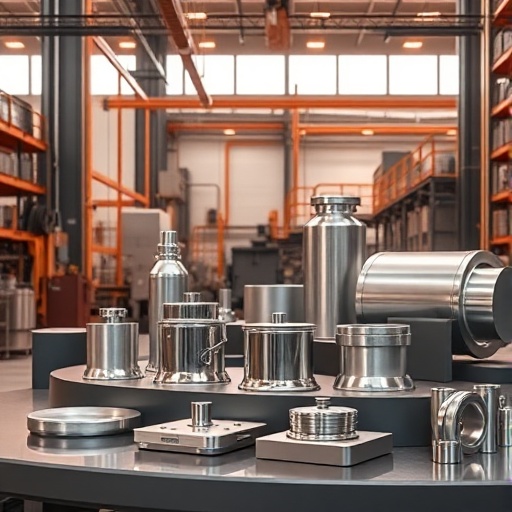
Heat treating precedes electropolishing when parts require stress relief or specific mechanical properties. Annealing 316L stainless steel before electropolish ensures uniform grain structure that dissolves evenly. Improper heat treating can leave residual stresses that cause uneven material removal or warping during the electrochemical step. Engineers coordinate the two processes to achieve both dimensional stability and the target surface finish. Some manufacturers integrate controlled atmosphere heat treating with electropolishing stainless steel services to minimize oxidation that would otherwise require extra polishing time.
Choosing the Right Stainless Steel Grade: Focus on 316L
316L remains the preferred grade for electropolishing because its low carbon content and molybdenum addition provide superior corrosion resistance after treatment. The alloy responds predictably to the electrochemical process, yielding consistent surface finish values. Lower grades may develop orange-peel textures or retain more sulfur inclusions that affect final brightness. When specifying electropolishing stainless steel services, engineers confirm material certifications to avoid surprises. 316L tubing and fittings dominate semiconductor and bioprocessing applications precisely because electropolish enhances their already excellent performance characteristics.
Electropolishing Services: What to Expect from Manufacturers
Reputable manufacturers begin with incoming inspection and masking of critical surfaces. They develop process parameters tailored to each part geometry and alloy. Rack or barrel methods accommodate different production volumes. Post-process rinsing and drying prevent water spots that could compromise the finish. Quality documentation includes surface roughness measurements and visual standards. Electropolishing stainless steel services often include passivation as a final step. Lead times vary with part complexity, but most shops return finished components within one to two weeks. Clear communication of tolerances and acceptance criteria ensures parts meet engineering requirements on the first submission.
Future Trends in Electropolished Stainless Steel Applications
Emerging Industries Utilizing Electropolished Metals
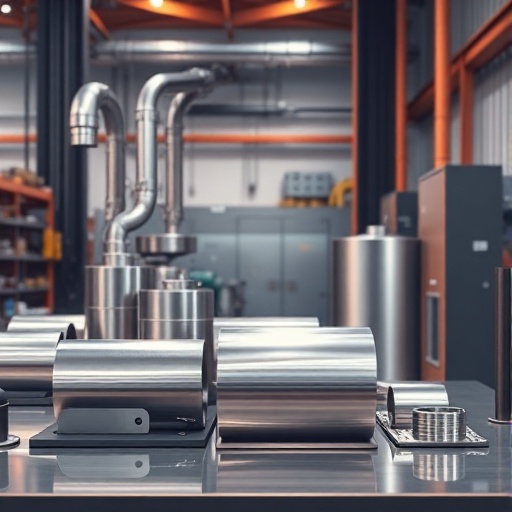
Additive manufacturing produces complex stainless steel parts that benefit from electropolish to remove support remnants and improve fatigue life. Battery housing and hydrogen fuel cell components now receive electropolishing stainless steel services to ensure leak-free seals and clean internal surfaces. Aerospace suppliers apply the process to 3D-printed brackets where weight savings matter. These emerging uses expand the customer base for electropolishing beyond traditional sectors while maintaining the same emphasis on surface finish and corrosion resistance.
The Impact of Electropolishing in Semiconductor Manufacturing
Semiconductor equipment demands surfaces free of particles and metallic contaminants. Electropolished 316L gas delivery systems reduce defects in wafer processing. The process removes embedded abrasives that mechanical polishing leaves behind. As chip geometries shrink, the need for electropolish on valves, fittings, and chambers intensifies. Manufacturers invest in larger electropolishing tanks to handle next-generation tools. The resulting surfaces support higher yields and longer equipment uptime in cleanroom environments.
Sustainability and Environmental Considerations in Electropolishing
Modern electropolishing lines recycle electrolyte and capture metal sludge for refining. Closed-loop rinsing systems reduce water consumption significantly. Stainless steel itself remains fully recyclable, so electropolished parts contribute to circular economy goals at end of life. Some facilities power electropolishing stainless steel services with renewable electricity to lower the carbon footprint. Continued process optimization focuses on safer electrolyte formulations that maintain performance while easing wastewater treatment. These advances position electropolishing as both a technical and environmentally responsible finishing choice for metals across industries.
See Also
- Electropolishing Services Demystified Your Guide to Stainless Steel Finishing
- Unlocking the Benefits of Electropolishing for Stainless Steel Products
- Electropolished vs Polished Stainless Steel Which is Right for Your Project
- From Heat Treating to Electropolishing How to Achieve Superior Metal Finishes
- Maximizing Performance through Electropolishing in Stainless Steel Applications