The Growing Importance of Recycling Plastics in Santa Barbara County
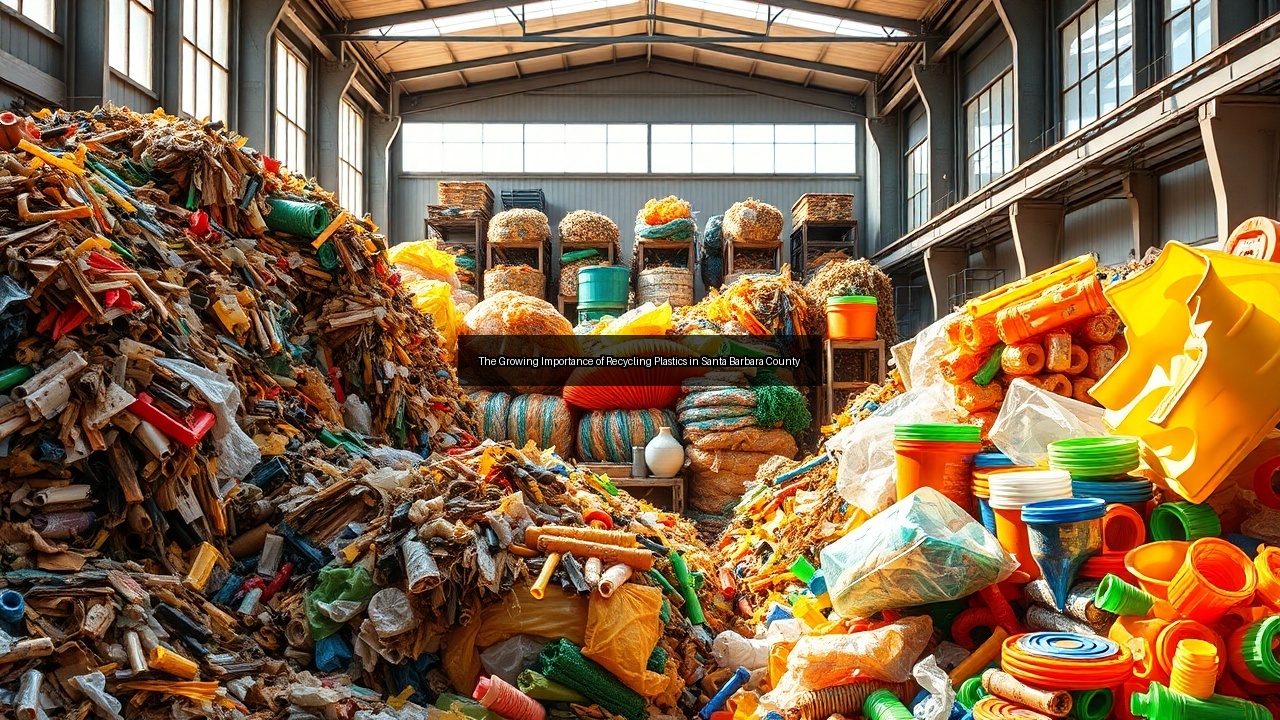
The Plastic Pollution Crisis in Santa Barbara County
Understanding Plastic Waste in Santa Barbara
Plastic waste presents a significant challenge for Santa Barbara County, where the beauty of the coastline juxtaposes the harsh reality of pollution. Each year, residents contribute to a growing tide of plastic trash that infiltrates our environments, from the ocean to local parks. Single-use plastics, such as plastic bags and water bottles, dominate the waste stream, leading to an urgent need for community action and informed choices. According to data from the Santa Barbara County Public Works Department, over 50% of the trash collected from local beaches contains plastics. This staggering figure underscores the importance of understanding the types of plastics commonly found in our waste, including polyethylene (PE) and polycarbonate (PC), which are prevalent in everyday items.
Impact of Plastic Pollution on Local Ecosystems
The ecological consequences of plastic pollution in Santa Barbara County are profound. Marine life suffers as plastics break down into microplastics, which are consumed by fish and other creatures, leading to bioaccumulation in the food chain. The ingestion of plastics can cause internal injuries and even death in marine animals. Furthermore, the presence of plastics disrupts habitats, leading to a decline in biodiversity. Birds, for instance, often mistake plastic for food, which can lead to starvation. The health of local ecosystems hinges on our collective ability to tackle plastic waste effectively, making it imperative for residents to participate in recycling and waste reduction efforts actively.
The Role of Residents in Reducing Plastic Waste
Residents play a crucial role in mitigating plastic pollution. Simple actions, such as choosing reusable bags over plastic bags, can significantly reduce our environmental footprint. Santa Barbara County initiatives encourage community members to engage in recycling programs, making it easy to locate recycling centers and learn about proper disposal methods. Educational campaigns promote awareness about the importance of reducing plastic use, advocating for alternatives like engineered plastics that have less environmental impact. By taking personal responsibility for plastic consumption and actively participating in recycling efforts, residents can contribute significantly to a cleaner, healthier Santa Barbara.
Recycling Plastics: A Key to Sustainable Waste Management
Current Recycling Practices in Santa Barbara County
Santa Barbara County has established a comprehensive recycling program aimed at managing the growing plastic waste crisis. The program focuses on educating residents about recyclable materials and the importance of proper sorting. Local recycling centers accept a wide range of plastics, including PET (polyethylene terephthalate) and HDPE (high-density polyethylene). Residents can drop off their recyclables or plastic fabrication nearby utilize curbside collection services that prioritize the separation of plastics from other waste. Efforts to improve recycling practices have led to increased participation rates, but challenges remain. Many residents still struggle with understanding which types of plastics are recyclable, which underscores the need for ongoing education.
The Process of Recycling Plastics: From Collection to Reuse
The journey of recycling plastics in Santa Barbara begins with collection. Once residents deposit their plastics into designated bins, the materials are transported to a recycling facility where they undergo a rigorous sorting process. Advanced technologies, including optical sorting systems, help separate different types of plastics based on their resin types. After sorting, the plastics are cleaned and processed into small flakes or pellets, ready for reuse. These recycled plastics can then be extruded into new products, such as containers, furniture, or even construction materials. This closed-loop system not only reduces the volume of waste but also conserves natural resources, making recycling an essential component of sustainable waste management.
Challenges in Recycling: What Happens to Recycled Plastics?
Despite advancements in recycling technologies, challenges persist in the recycling of plastics. One of the primary issues is contamination, which occurs when non-recyclable materials mix with recyclables. This contamination can cause entire batches of plastics to be discarded, undermining recycling efforts. Additionally, not all plastics are created equal; some types, such as polystyrene, are more difficult to recycle and often end up in landfills. Market fluctuations also affect the demand for recycled plastics, which can determine whether materials find a new life or become waste. Addressing these challenges requires collaboration between residents, local governments, and industries to improve recycling processes and create a market for recycled materials.
Innovative Technologies in Plastic Recycling
Emerging Technologies in Plastic Recycling and Resource Recovery
The landscape of plastic recycling is evolving rapidly, with innovative technologies paving the way for improved resource recovery. Chemical recycling, for instance, breaks down plastics into their original monomers, allowing for the production of virgin-quality materials. This process can handle a broader range of plastics, including those that are not typically recyclable. Additionally, advancements in pyrolysis technology convert plastic waste into energy, offering a dual benefit of waste reduction and energy production. Companies are increasingly investing in these technologies, recognizing the potential they hold for transforming how we manage plastic waste in Santa Barbara County and beyond.
The Future of Recycled Plastics: From Waste to Energy
The future of recycled plastics lies in their potential to be transformed into energy. Technologies such as anaerobic digestion and gasification can convert plastic waste into synthetic natural engineered plastics near me gas, which can then be used to generate electricity or heat. This innovative approach not only reduces the volume of waste sent to landfills but also provides an alternative energy source. As the plastics industry seeks to minimize its environmental impact, the integration of energy recovery processes into recycling systems will play a crucial role. Santa Barbara County can lead the way in adopting these technologies, setting a precedent for other communities in America to follow.
Community Efforts and Resources for Plastic Recycling
Local Initiatives for Plastic Reduction and Recycling
Numerous community initiatives in Santa Barbara County aim to reduce plastic waste and enhance recycling efforts. Organizations collaborate to host workshops, clean-up events, and educational programs that inform residents about the importance of reducing plastic consumption. Local businesses are also getting involved by offering incentives for customers who bring their own containers or bags. The county's commitment to sustainability is evident in its policies, such as plastic fabrication nearby banning single-use plastic straws and encouraging the use of biodegradable alternatives. These community-driven efforts foster a culture of environmental stewardship, empowering residents to take action against plastic pollution.
Finding Recycling Centers and Plastic Fabrication Services Near You
Residents seeking to recycle plastics or locate plastic fabrication services can easily find resources in Santa Barbara County. The county's waste management website provides a directory of recycling centers, detailing what materials are accepted and their operational hours. Additionally, local businesses specializing in plastic fabrication offer services such as custom machining and extruded plastic products. Engaging with these resources not only promotes responsible disposal of plastics but also supports local economies and the sustainability movement. By utilizing these services, residents contribute to a more circular economy, where plastics are reused and plastic fabrication nearby repurposed instead of ending up in landfills.