Challenges Facing Rubber Suppliers in the Pulp and Paper Industry
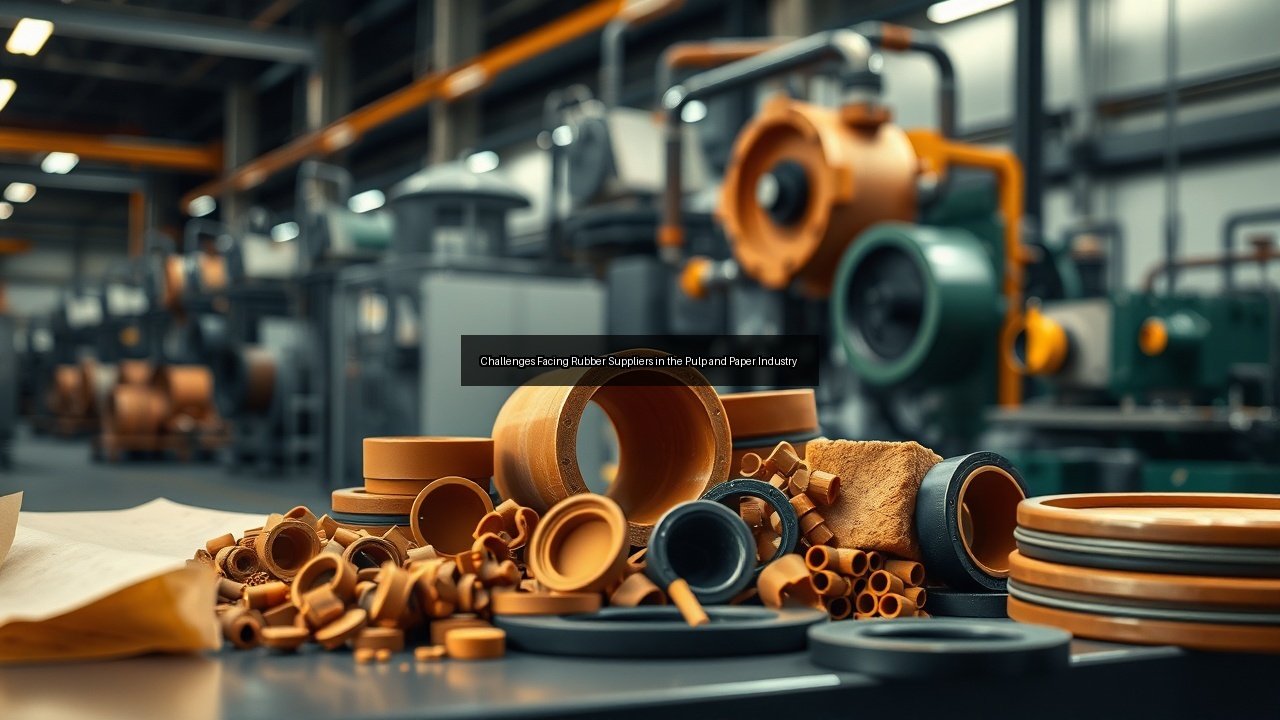
Overview of Rubber Products in the Pulp and Paper Industry
Importance of Rubber in Pulp Production
Rubber products play a critical role in the pulp and paper industry, serving rubber products for paper industry various functional needs that enhance production efficiency and equipment longevity. The nature of pulp processing involves numerous mechanical operations where rubber components, such as stoppers, pulp and paper industry rubber products gaskets, and seals, ensure the smooth functioning of machinery. These rubber products for the pulp & paper industry provide essential support in preventing leaks and maintaining the integrity of processing equipment. The durability and elasticity of rubber materials allow them to withstand the harsh conditions often present in pulp production, making them indispensable in this sector.
Key Rubber Products Used: Stoppers and Gaskets
Stoppers and gaskets are two of the most rubber products for pulp industry significant rubber products utilized in the pulp and paper industry. Stoppers play an essential role in controlling the flow of materials within processing systems, particularly in vacuum applications. They help maintain the necessary pressure levels, ensuring that pulp slurry moves efficiently through the pipeline. Gaskets, on the other hand, provide critical sealing functions in various machinery, preventing leaks and protecting sensitive components from environmental factors. The reliability of these rubber components directly impacts production efficiency and the overall quality of the final paper products.
Role of Natural Rubber vs. Synthetic Rubber
Both natural rubber and synthetic rubber, such as ethylene propylene diene monomer (EPDM) rubber, have distinct roles in the pulp and paper industry. Natural rubber, sourced from rubber trees, offers excellent elasticity and resilience, making it suitable for applications requiring flexibility. Conversely, synthetic rubber provides enhanced durability and resistance to chemicals, which is vital in a processing environment that often exposes materials to corrosive substances. The choice between natural and synthetic rubber depends on specific application requirements, with each type offering unique advantages that cater to the diverse needs of the industry.
Challenges Faced by Rubber Suppliers
Supply Chain Disruptions and Material Sourcing
Rubber suppliers in the pulp and paper industry encounter significant challenges related to supply chain disruptions and material sourcing. Global events, such as the COVID-19 pandemic, have highlighted vulnerabilities in supply chains, causing delays in the procurement of essential raw materials. Fluctuations in demand and geopolitical tensions can further complicate sourcing efforts, leading to increased costs and potential shortages of rubber products. Suppliers must navigate these complexities to ensure a steady supply of stoppers, gaskets, and other rubber components critical for pulp production. Adapting to these challenges requires strategic planning and strong relationships with reliable suppliers to mitigate risks.
Impact of Chemicals on Rubber Durability
The pulp and paper industry often employs various chemicals in processing, which can significantly impact the durability of rubber products. Exposure to harsh chemicals can lead to degradation, reducing the lifespan of stoppers and gaskets. Suppliers must address this issue by developing rubber formulations that resist chemical attack, ensuring that products maintain their integrity under challenging conditions. Understanding the specific chemicals used in pulp processing allows suppliers to tailor rubber materials, enhancing performance and reliability. Continuous research and development in rubber chemistry are essential to create solutions that withstand the demands of the industry.
Competition with Alternative Materials
Competition with alternative materials poses a substantial challenge for rubber suppliers in the pulp and paper industry. As manufacturers seek to enhance efficiency and reduce costs, they often explore other materials such as plastics or composites. While these alternatives may offer some benefits, they often lack the unique properties of rubber, such as flexibility and sealing capabilities. Suppliers must emphasize the advantages of rubber products for the pulp & paper industry, showcasing their performance in demanding environments. Educating industry stakeholders on the long-term value of rubber components compared to alternatives will be crucial for maintaining market share.
Innovations and Solutions for Rubber Applications
Advancements in EPDM for Pulp Industry
Ethylene propylene diene monomer (EPDM) rubber has emerged as a key material for the pulp and paper industry, offering superior resistance to heat and chemicals. Recent advancements in EPDM formulations have improved its performance in demanding applications, making it an attractive choice for stoppers and gaskets. Innovations in manufacturing processes have also enhanced the consistency and quality of EPDM products, allowing suppliers to meet the rigorous demands of the industry. As the pulp sector continues to evolve, the adoption of EPDM rubber will likely increase, driven by its durability and long-term cost-effectiveness.
Developing Sustainable Rubber Products
As environmental concerns become more pronounced, the pulp and paper industry is moving toward sustainability. Rubber suppliers are responding by developing sustainable rubber products that minimize environmental impact. This includes sourcing natural rubber from certified plantations and exploring recycled rubber materials. By incorporating sustainable practices, suppliers not only address ecological concerns but also meet the growing demand for eco-friendly products from consumers. This shift toward sustainability presents an opportunity for suppliers to differentiate their offerings and build brand loyalty among environmentally conscious customers.
Integration of Technology in Rubber Production
The integration of technology in rubber production processes is transforming how suppliers create and deliver rubber products for the pulp and paper industry. Automation and advanced manufacturing techniques enhance efficiency and precision, resulting in higher-quality stoppers and gaskets. Moreover, digital tools enable better tracking of supply chain logistics, allowing suppliers to respond quickly to market changes. Implementing technologies such as 3D printing also opens new avenues for creating custom rubber components tailored to specific industry needs. Embracing technological advancements will be crucial for suppliers to remain competitive in an ever-evolving market.
Future Trends in Rubber Supply for Pulp and Paper
Market Demand for Specialized Rubber Products
The future of rubber supply in the pulp and paper industry points toward an increasing demand for specialized rubber products. As production processes become more complex, the need for tailored solutions will grow. Suppliers who can innovate and develop rubber components designed for specific applications will likely capture a larger share of the market. This trend will drive further research and development efforts, resulting in rubber products that not only meet but exceed industry standards. Meeting the evolving needs of the pulp and paper sector will require a keen understanding of market demands and customer preferences.
Environmental Regulations and Their Impact
Environmental regulations are shaping the future landscape for rubber suppliers in the pulp and paper industry. Stricter guidelines surrounding emissions and chemical usage compel suppliers to innovate and adapt their products to comply with these standards. This shift presents both challenges and opportunities, as suppliers who proactively embrace environmental regulations can position themselves as leaders in sustainability. By developing compliant rubber products and adopting green manufacturing practices, suppliers can enhance their reputation and appeal to eco-conscious customers. The ability to navigate these regulations will be vital for long-term success in the industry.
Potential for Growth in Rubber Recycling
Rubber recycling presents a promising growth opportunity for suppliers in the pulp and paper industry. As sustainability becomes a focal point, the demand for recycled rubber products is expected to rise. Suppliers can capitalize on this trend by investing in recycling technologies and processes that allow them to reclaim and repurpose rubber materials. This not only reduces waste but also lowers production costs, making rubber products more competitive in the market. By promoting the benefits of rubber recycling, suppliers can attract environmentally conscious clients and contribute to a circular economy within the pulp and paper sector.